Redesign Your Outdoor Area: Expert Outdoor Design Offerings Customized for Your Home
Transforming outdoor areas can greatly enhance a home's aesthetic and usefulness. Expert landscape design services offer customized plans that consider regional conditions and personal preferences. With skilled professionals at the helm, homeowners can expect a seamless integration of plants, hardscapes, and lighting. Yet, understanding how to work together effectively and define a vision remains essential. Exploring these elements can lead to a life-changing outdoor environment that meets both needs and aspirations.
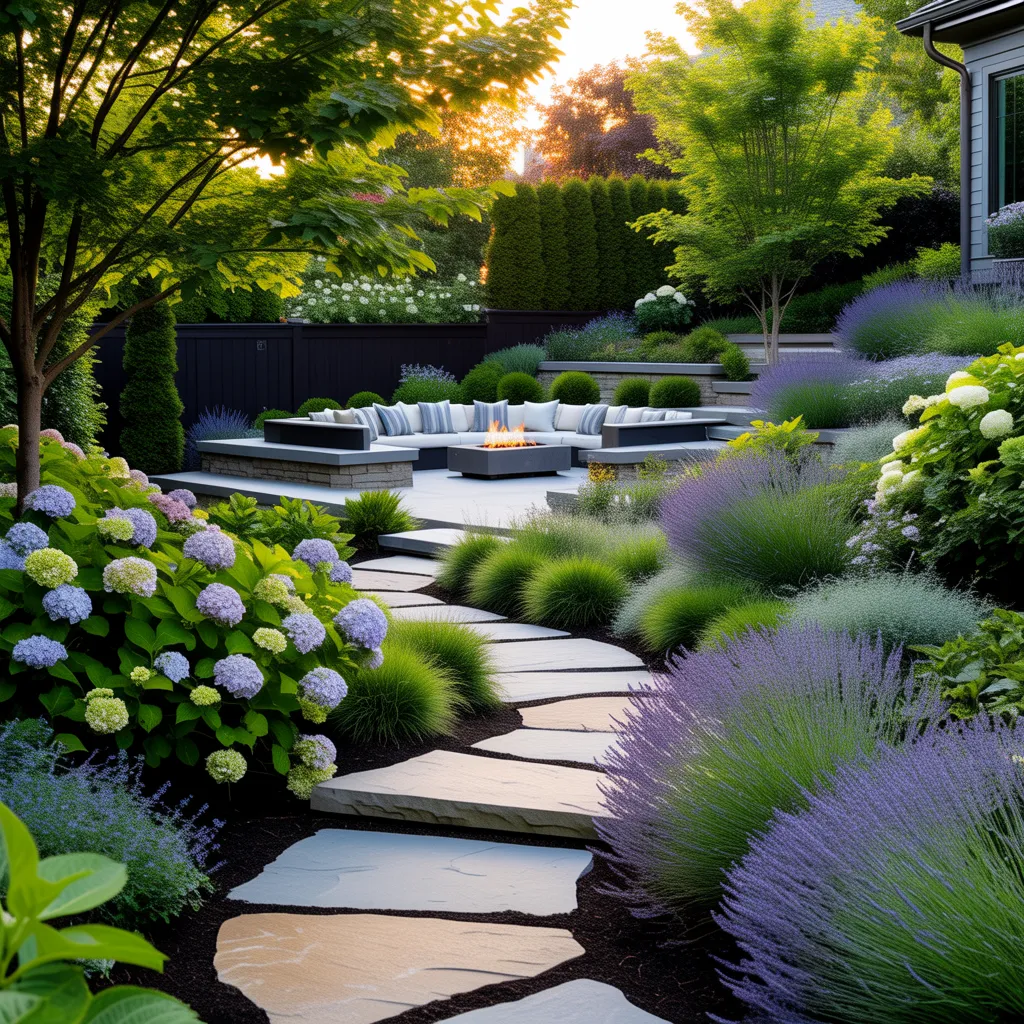
Why Go with Experienced Landscape Design Offerings?
When deliberating a modification of outdoor spaces, many homeowners recognize the value of professional landscape design services. These practitioners present a wealth of knowledge and resourcefulness, ensuring that the framework aligns with the dweller's preferences while amplifying performance and aesthetic appeal. Practitioners understand the specifics of local climate, soil types, and plant varieties, empowering them to produce lasting gardens that bloom.
In addition, outdoor design specialists can effectively integrate various elements, such as hardscapes, lighting, and irrigation systems, into a integrated design. This holistic approach not only boosts aesthetic value but also raises home worth. Furthermore, retaining specialists can preserve hours and reduce the potential for costly mistakes. Their knowledge of navigating zoning regulations and obtaining permits adds another layer of convenience for homeowners. In the end, opting for professional landscape design solutions can transform outdoor areas into beautiful, functional spaces that express personal tastes and enhance overall quality of life.
How to Develop Your Exterior Vision?
How can property owners clarify their external design goals? To start, they should think about their lifestyle and how they plan to utilize the outdoor space. Identifying specific needs—whether for entertaining, gardening, or relaxation—can direct the planning stage. Subsequently, property owners should explore different aesthetics, such as modern, rustic, or tropical, to determine what appeals to their aesthetic preferences.
Putting together a concept board or amassing photos from magazines and online platforms can provide visual guidance and contribute to outlining ideas. Additionally, evaluating the existing landscape elements, such as timber and slopes, allows for a more balanced design.
Setting a financial limit is crucial, as it affects selection of materials and project scope. Finally, homeowners should consider upkeep needs, ensuring the concept is maintainable for their lifestyle. By following this process, understanding develops, paving the way for a well-defined landscaping plan that aligns with their aspirations.
Working Productively Alongside Your Landscape Designer
Productive cooperation with a landscape designer begins with a clear articulation of one's vision. It is essential to relay financial boundaries openly to guarantee realistic planning. Crediting the designer's proficiency can lead innovative solutions that correspond with the client's wants while strengthening the overall terrain.
Define Your Purpose Clearly
What characterizes a successful collaboration with a landscape designer? Clarity in purpose is essential. Homeowners must express their tastes, lifestyle needs, and preferred aesthetic to guarantee the designer understands their requirements. Supplying visual references, such as photos or sketches, can greatly improve understanding. Furthermore, talking about specific elements like color schemes, materials, and plant types helps in refining the idea. Effective dialogue is essential; homeowners should feel at ease sharing their ideas and concerns throughout the process. This transparent communication cultivates a strong collaboration, enabling the designer to create personalized solutions. In the end, a well-defined direction serves as a foundational guide, enhancing the probability of attaining a balanced outdoor space that aligns with the homeowner's goals.
State Your Budget Requirements
A clear vision sets the foundation for successful landscape design, but understanding financial boundaries is equally important. When working with a landscape designer, communicating budget restrictions encourages openness and trust. Clients are advised to provide a reasonable budget upfront, allowing designers to offer solutions aligned with their financial goals. This open dialogue enables the designer to prioritize elements, guaranteeing that key components are included without exceeding the budget. Additionally, discussing budget constraints can result in innovative options, like choosing more economical materials or modifying project timelines. Ultimately, a well-defined budget empowers both parties to work together efficiently, producing a landscape that not only meets aesthetic desires but also stays financially feasible.
Trust Their Knowledge Fully
Trusting a outdoor designer's expertise is crucial for achieving a accomplished outdoor project. Their extensive knowledge of vegetation, supplies, and aesthetic concepts allows them to create cohesive and functional spaces. Clients should approach the collaboration with an receptive attitude, valuing the designer's recommendations while also voicing their desires. Open dialogue is essential; sharing ideas and feedback fosters a successful working relationship. Designers often have access to materials and options that homeowners may not think about, enhancing the overall vision. By respecting the designer's professional insights, clients can guarantee that their unique needs are met while benefiting from creative design approaches. Ultimately, this confidence leads to an outdoor space that reflects both personal style and expert guidance.
Selecting the Perfect Landscaping Direction for Your Home
How can homeowners determine the optimal landscape design concept that suits their property? First, they should assess the architectural style of their home. A modern house often matches nicely with minimalist landscaping, while a traditional home may gain classic garden elements. Next, homeowners should account for their personal preferences and lifestyle. For instance, those who enjoy entertaining might prefer open spaces with seating areas, while nature enthusiasts may lean towards native plants and wildlife-friendly designs.
In addition, regional weather patterns and soil conditions are fundamental factors in determining suitable plants and materials. Property owners can also examine different aesthetic styles, including Mediterranean, Japanese Zen, or cottage gardens, to find inspiration. To conclude, engaging a a landscaping consultant can deliver important insights customized to the specific property, ensuring the chosen style aligns with both the environment and the homeowner's vision.
Budgeting Tips for Your Landscape Makeover
Budgeting for a landscape makeover starts by determining priorities, as this allows homeowners concentrate on what features are essential. Next, calculating expense estimates is vital for developing a realistic financial plan. By addressing these key aspects, individuals can guarantee a effective and rewarding redesign of their outdoor space.
Identify Your Main Objectives
When beginning on a landscape renovation, knowing one's goals is essential for effective budgeting. Homeowners should first identify their main goals, whether it's designing an outdoor entertainment space, enhancing curb appeal, or increasing privacy. This clarity helps in allocating resources efficiently. Assessing the current landscape and identifying which elements need immediate attention can also streamline the process. Additionally, it is crucial to consider long-term maintenance and environmental responsibility; putting money in quality materials may reduce future costs. Establishing a realistic budget that reflects these goals ensures that the project aligns with both aesthetic desires and budget limitations. By prioritizing needs, homeowners can achieve a cohesive and satisfying landscape transformation without overspending.
Evaluate Material Expenses
Estimating project expenses is a crucial step in organizing a successful landscape makeover. Homeowners should begin by listing all wanted elements, such as plants, hardscapes, and lighting. Investigating local suppliers can provide insights into costs and availability. It's vital to account for additional expenses, including soil, mulch, and tools, which can greatly impact the overall budget. Furthermore, adding a contingency fund of 10-20% allows for unexpected costs that may arise during the project. By carefully calculating these expenses, homeowners can guarantee they remain within their financial limits while achieving their desired outdoor space. Consulting with landscape professionals can also offer valuable guidance in making well-considered material choices that align with budget constraints.
Important Care Recommendations for Your New Landscape Design
Proper upkeep is essential for any new landscape design to flourish and retain its beauty. Regular watering is critical, especially during the initial establishment period; establishing root systems requires steady moisture. Mulching around plants helps retain soil moisture, control weeds, and regulate temperature.
Pruning must be performed each season to promote robust growth and remove any damaged or unhealthy branches. Feeding, adjusted for the unique demands of plants, increases nutrient availability and promotes radiant blossoms.
Invasive plant suppression is essential; consistent inspection and removal prevent nutrient competition. Additionally, pest observation guarantees early action, protecting plant health.
Seasonal clean-ups, including removing leaves and debris clearing, preserve aesthetics and prevent mold growth. Finally, soil health should be assessed regularly, with amendments made as necessary to guarantee ideal cultivation environment. By following these maintenance tips, homeowners can maintain the integrity and charm of their landscape design.

Common Inquiries Posed Often
What Materials Serve Optimal for Green Landscaping?
Recycled materials, native plants, permeable pavers, and organic mulches are excellent for eco-friendly landscaping. These choices boost biodiversity, lower water usage, and reduce waste, establishing green spaces that thrive with least maintenance.
What Amount of Time Should You Expect for a Typical Landscape Project?
A basic landscape project may take anywhere from a few days to several weeks, reliant on the task's level of complexity, size, and the exact elements being installed, such as plants, hardscapes, or irrigation systems.
Can Landscaping Increase Worth to My Property?
Yes, garden design can markedly improve property value. Properly designed landscape areas enhance curb appeal, maximize usability, and entice qualified buyers, ultimately generating higher market prices and a better profit margin for homeowners.
Which Plants Are the Most Well-Liked for Local Climates?
The most popular plants for local weather conditions generally consist of native plants, drought-resistant varieties, and long-lasting plants. These choices enhance ecological diversity, demand less upkeep, and refer to resource flourish in their respective environments, making them ideal for eco-friendly garden design.
How Can I Get My Yard Ready Before the Garden Installation Starts?
To ready the yard before landscaping, one should remove clutter, assess soil quality, eliminate unwanted vegetation, and indicate planned elements. Guaranteeing adequate drainage and determining dimensions for plants and hardscapes will facilitate a more seamless installation.